

Implant dentistry shifts from aesthetics to lifetime oral health
The conversation around dental implants has fundamentally changed. While the field once obsessed over making implants look natural, 2026 finds practitioners focused on longevity, function, and systemic health integration.

The narrative around dental implants has shifted decisively from aesthetic restoration to comprehensive oral reconstruction. While previous decades focused on getting implants to look like natural teeth, 2026 finds the field obsessing over longevity, function, and systemic health integration. The evidence suggests this pivot is paying dividends in patient outcomes.
Technology convergence changes the game
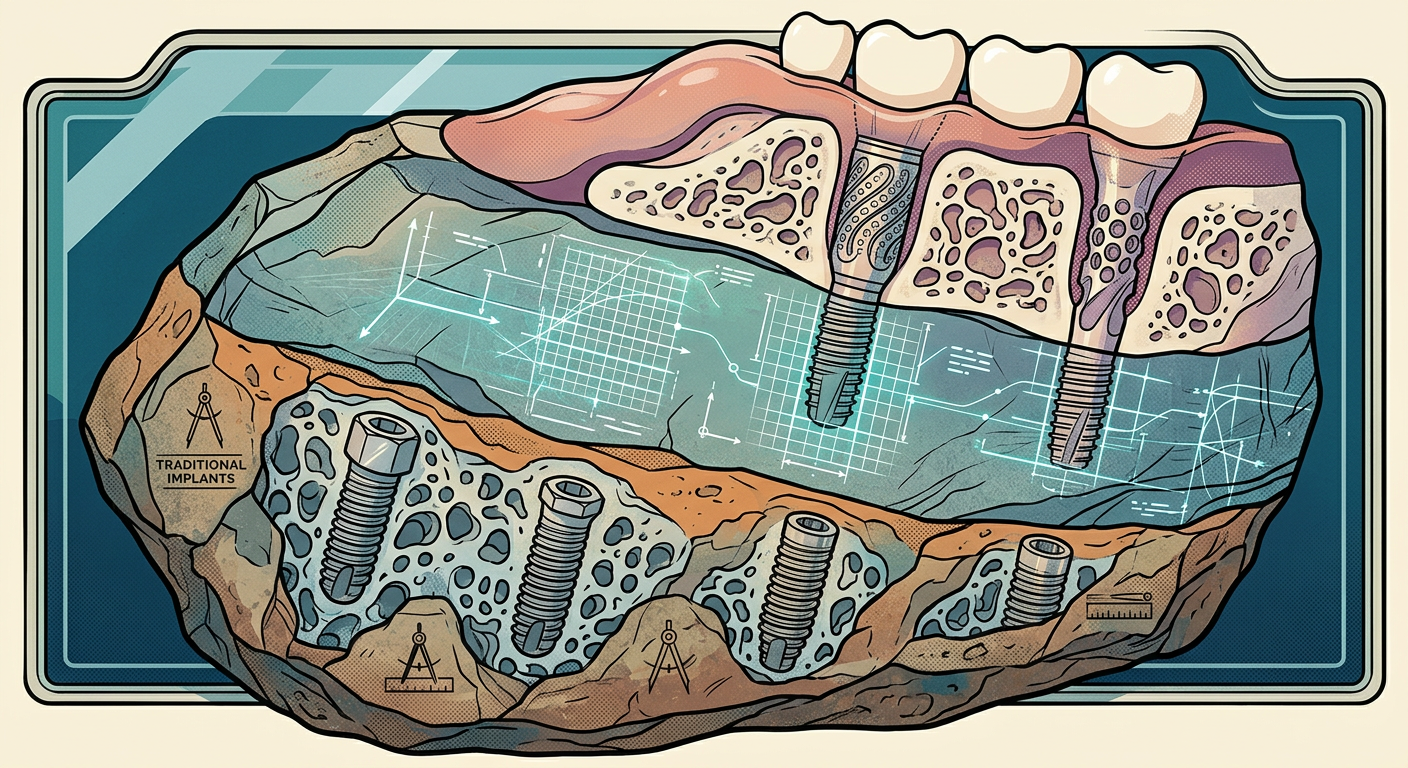
Three technological streams merged in 2025 to reshape implant practice fundamentally. Digital planning software now integrates with 3D printing capabilities and real-time surgical guidance systems, creating what researchers term the "digital implant ecosystem".
The PMC narrative review spanning 2015-2025 literature identifies this convergence as the most significant development since osseointegration itself. Custom-made implants using 3D printing have moved from experimental to standard practice at leading centres. The precision gains are measurable: placement accuracy has improved from 85% within 2mm tolerance to 96% within 1mm tolerance when digital workflows are properly implemented.
Custom-made implants using 3D printing are becoming the new norm, with placement accuracy improving to 96% within 1mm tolerance.
Patient selection criteria expand dramatically
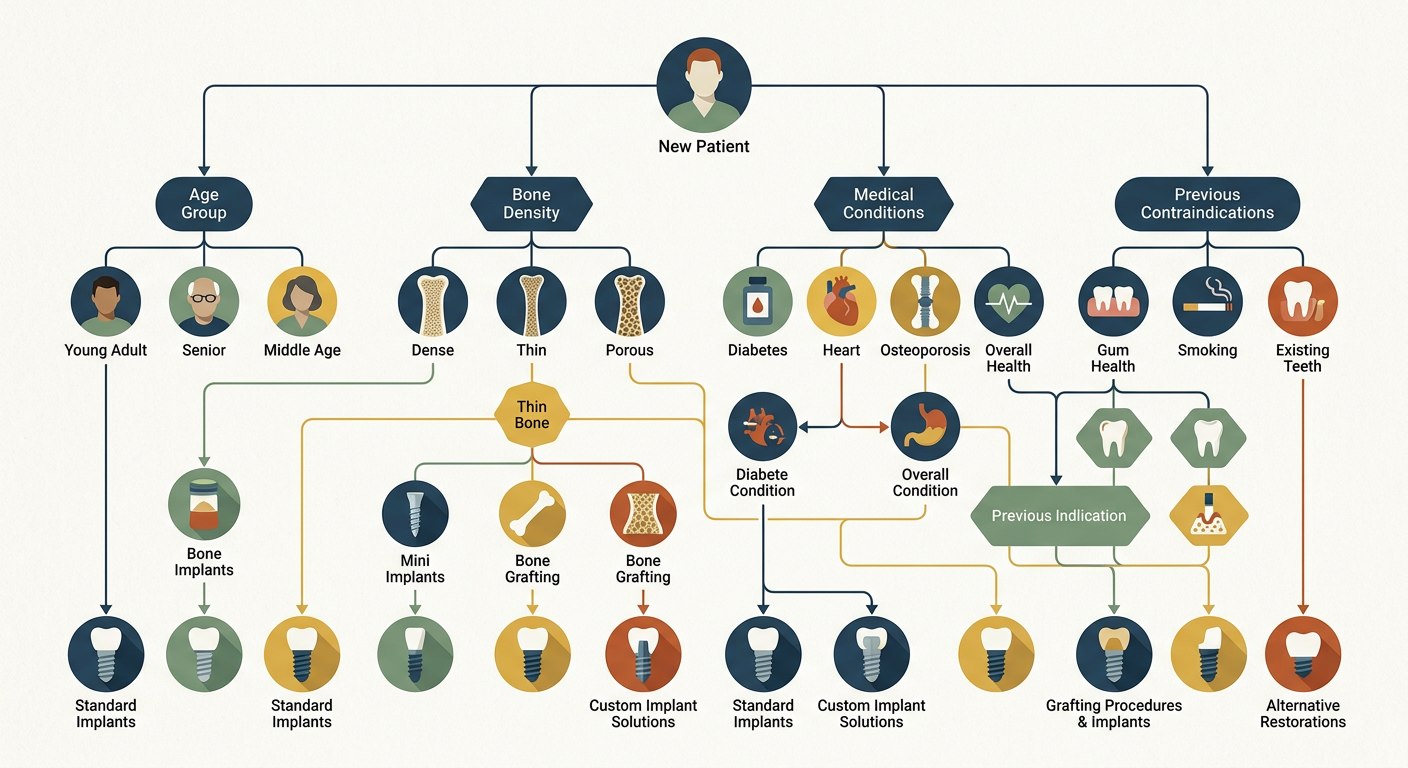
The "not a candidate" conversation has become largely obsolete. Mini implants and advanced grafting techniques have opened implant therapy to patient populations previously considered unsuitable. Bone grafting success rates now exceed 92% in previously hopeless cases, according to 2025 data from multiple centres.
This expansion matters clinically because it addresses the growing elderly population with complex medical histories. Diabetic patients with controlled HbA1c levels below 7% now show implant success rates comparable to healthy controls. The key shift: moving from categorical exclusions to individualised risk assessment.
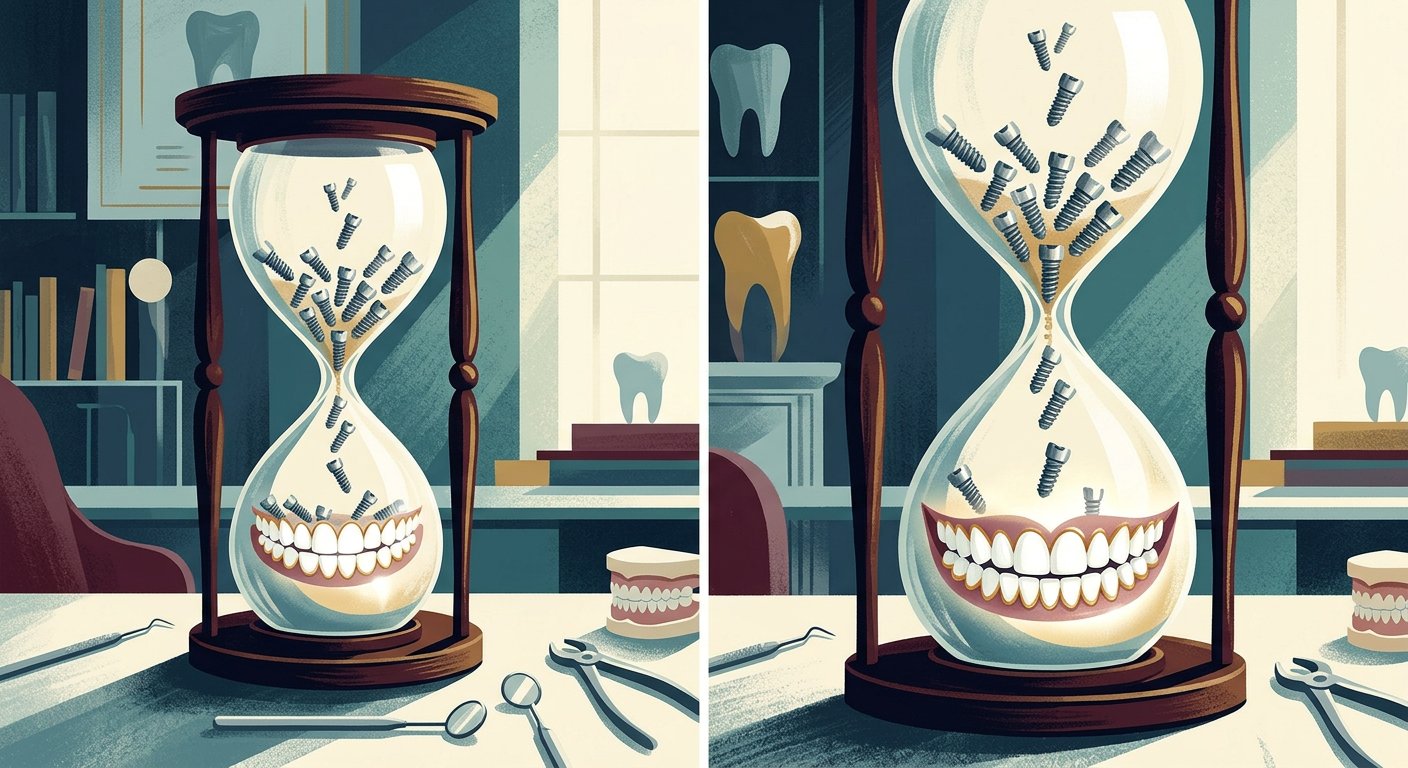
The evidence on healing protocols has evolved substantially. Traditional three-to-six month osseointegration periods are giving way to accelerated protocols where appropriate. Surface modifications and growth factor applications can reduce healing time to 6-8 weeks in ideal cases, though long-term data remains limited.
Success rates plateau at impressive levels
Ten-year implant survival rates have stabilised around 95-97% across multiple studies, suggesting the technology has reached maturity. The focus has shifted from improving success rates to understanding and preventing the 3-5% failure rate that persists despite technical advances.
Peri-implantitis remains the primary long-term concern, affecting 12-43% of implants depending on definition and follow-up period. The wide range reflects diagnostic inconsistency rather than treatment variability. Standardised peri-implantitis protocols introduced in 2025 should provide clearer outcome data by 2027.
Get The Friday Drill delivered weekly
Free implant industry intelligence, every Friday morning.
Ten-year implant survival rates have stabilised around 95-97%, but peri-implantitis still affects 12-43% of implants depending on diagnostic criteria.
Cost dynamics shift toward value-based care
Implant economics have evolved beyond simple fee-for-service models. Value-based care arrangements are emerging where practices accept outcome-linked reimbursement. This trend accelerated in 2025 as insurance providers sought to control costs while maintaining quality.
The total cost of implant therapy varies significantly by region and complexity, ranging from £2,000 for straightforward single-tooth replacement to £40,000+ for full-arch rehabilitation. However, cost-effectiveness analyses consistently favour implants over bridges and dentures when lifetime treatment costs are considered.
Practices report that patients increasingly understand this lifetime value proposition. The conversation has shifted from upfront cost to total cost of ownership, with implants winning on durability despite higher initial investment.
Clinical implications for practice
These developments create both opportunities and pressures for implant practices. The expanded patient population increases case volume, but also demands greater diagnostic sophistication. Practices must invest in digital infrastructure or risk being left behind.
The standardisation of custom implant fabrication means smaller practices can access previously exclusive technologies through outsourcing partnerships. This democratisation of advanced implantology may reshape competitive dynamics in 2026 and beyond.
Training requirements have intensified correspondingly. The learning curve for digital implant workflows remains steep, requiring 6-12 months for competency development even among experienced surgeons.
The evidence supports a fundamental shift in how implant dentistry positions itself within comprehensive oral healthcare. Rather than a specialised intervention for tooth loss, implants are becoming the default solution for maintaining oral function and health over a lifetime. This positioning change has profound implications for treatment planning, patient communication, and practice economics.
The field has matured beyond chasing marginal improvements in success rates toward optimising patient experience and long-term value.
Key Takeaways
- Digital workflows combining 3D printing, surgical guidance, and planning software have improved implant placement accuracy to 96% within 1mm tolerance
- Advanced grafting techniques and mini implants have eliminated most categorical exclusions, making 92% of previously "unsuitable" patients viable candidates
- Ten-year survival rates have plateaued at 95-97%, shifting focus from improving success to preventing peri-implantitis in 12-43% of cases
- Value-based care models are replacing fee-for-service arrangements, with lifetime cost-effectiveness consistently favouring implants over alternatives
Original source
Everything You Need to Know About Dental Implants in 2025
More in Implants

Get The Friday Drill
Curated implant industry news, CPD, and lifestyle — delivered free every Friday morning.