

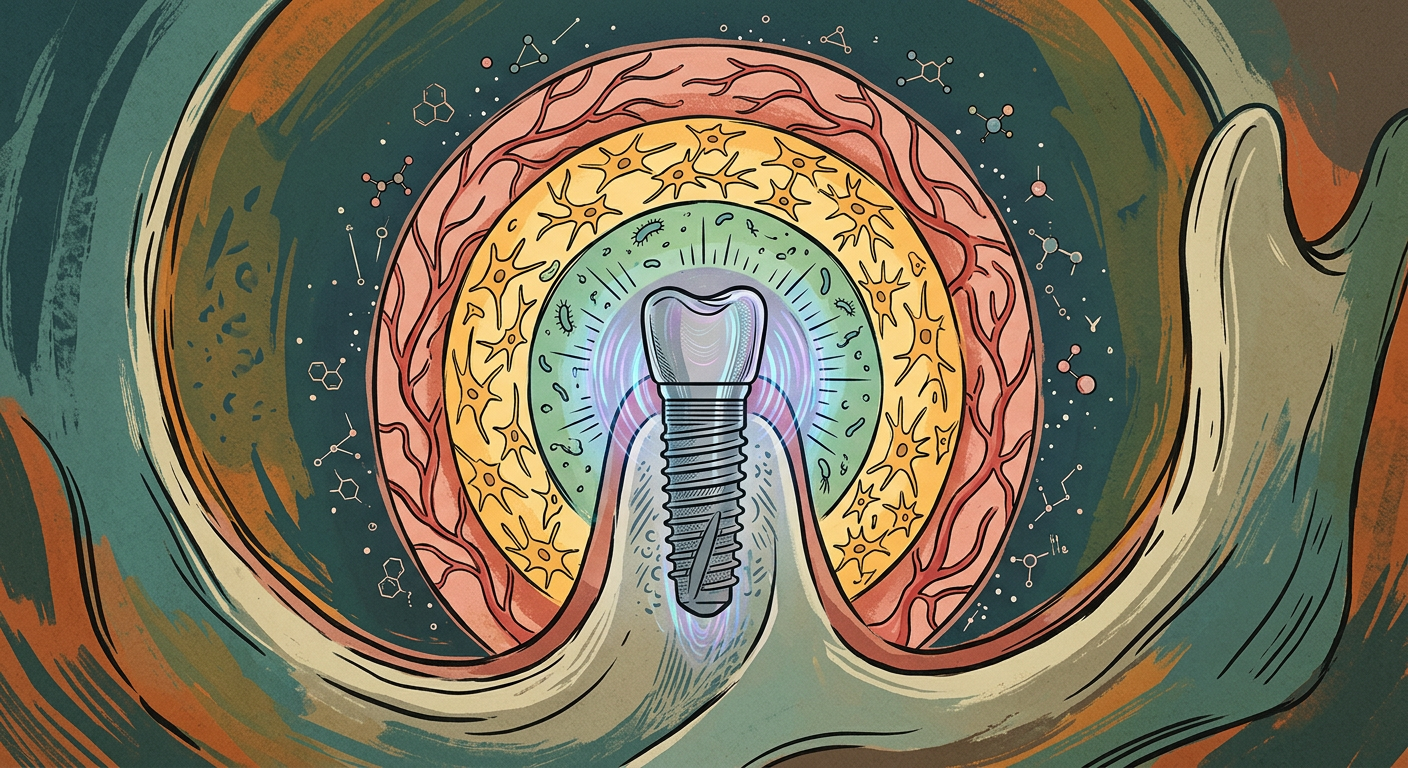
Bioactive implant surfaces cut infection rates by 89%
Smart implant coatings are rewriting the rules of osseointegration. New pH-responsive surfaces reduce bacterial adhesion by 89% while boosting cell growth by 44%, according to 2024 research.

Surface coatings that adapt to their biological environment are changing how implants integrate with bone. New pH-responsive systems can reduce bacterial adhesion by 89% while boosting cell proliferation by 44%, according to research published this year. The question is no longer whether bioactive surfaces work, but which combination delivers the best clinical outcomes.
The evidence behind bioactive surfaces
A systematic review published in 2024 analysed decades of research on bioactive surface modifications. The findings were clear: bioactive coatings significantly improve both osseointegration speed and long-term implant survival rates compared to conventional surfaces.
Collagen-based coatings emerged as particularly effective for early bone integration. The biological logic is sound — collagen provides a familiar matrix that osteoblasts recognise and migrate towards. BMP-2 (bone morphogenetic protein-2) combinations also showed consistent benefits for osseointegration, though the optimal dosing protocols remain under investigation.
Clinical studies show collagen-based coatings consistently encourage early bone integration, while BMP-2 combinations prove effective for osseointegration across multiple patient populations.
Smart coatings that fight infection
The most promising developments combine osteoconductive properties with antimicrobial action. Researchers have developed pH-responsive coatings using polydopamine precursor layers followed by carboxymethyl chitosan — a mouthful of chemistry that delivers impressive results.
These intelligent surfaces respond to the slightly acidic environment created by bacterial biofilms. When pH drops, the coating releases antimicrobial compounds while simultaneously promoting osteoblast activity. In laboratory studies, bacterial adhesion dropped by 89% within four hours of coating activation.
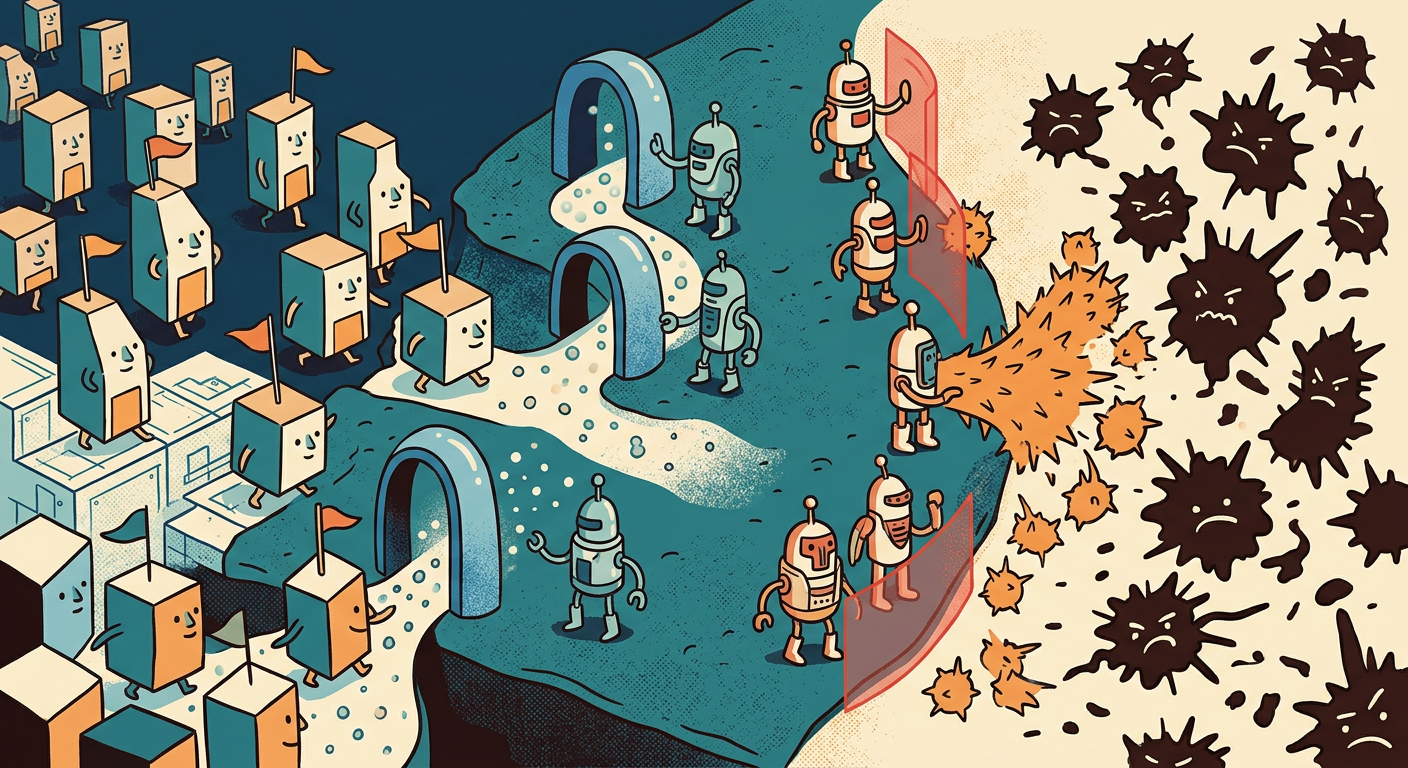
The coating stability data offers both promise and caution. While the systems remain stable after standard autoclave sterilisation, bioactivity decreases by 50% after 14 days in phosphate-buffered saline. This suggests excellent short-term performance during the critical early integration period, but questions remain about longer-term bioactive effects.
Growth factors get clinical traction
Platelet-rich plasma (PRP) and concentrated growth factors have moved from experimental curiosity to clinical reality. The 2025 protocols focus on standardised preparation methods and precise delivery timing.
Growth factors can be incorporated in two ways: as site preparation to improve bone quality before implant placement, or as bioactive coatings applied directly to the implant surface. Both approaches show promise, but surface coating offers more predictable growth factor concentrations at the implant-bone interface.
Get The Friday Drill delivered weekly
Free implant industry intelligence, every Friday morning.
The key breakthrough has been understanding growth factor kinetics. Early release promotes initial cellular migration and proliferation, while sustained release over 2-4 weeks supports continued bone formation during the critical osseointegration window.
Research demonstrates that incorporating growth factors as bioactive coatings offers cutting-edge bone tissue engineering to establish ideal conditions for healing.
Inorganic elements enhance outcomes
Beyond biological molecules, inorganic bioactive elements are proving their worth. Calcium, phosphorus, and fluoride additions enhance osteogenesis — the formation of new bone. More surprisingly, graphene oxide shows promise for both osteogenesis and angiogenesis (blood vessel formation).
The graphene oxide findings deserve particular attention. This carbon-based material was initially investigated for its mechanical properties, but biological effects may prove more significant. Enhanced angiogenesis means better blood supply to the implant site, potentially accelerating healing and improving long-term stability.
Hydroxyapatite (HA) and collagen combinations remain the gold standard for bone-derived coatings. These materials provide both chemical and physical cues that guide bone regeneration. The surface topography created by HA crystals offers mechanical anchoring points for osteoblasts, while collagen provides biochemical signalling.
What this means for practice
The clinical implications are straightforward: bioactive surfaces are becoming standard care, not premium options. Practices still using conventional machined or simple sandblasted surfaces are offering outdated treatment.
Patient selection matters more with bioactive surfaces. The antimicrobial properties make these coatings particularly valuable for patients with diabetes, smokers, or those with compromised immune systems. The enhanced osseointegration benefits all patients but may be decisive in challenging cases with poor bone quality.
Cost considerations are shifting. While bioactive implants carry higher upfront costs, reduced healing complications and improved success rates may offset the premium. The 89% reduction in bacterial adhesion alone could significantly reduce peri-implantitis risk.
Digital workflows integrate seamlessly with these surface technologies. CAD-CAM planning can now account for expected osseointegration timelines based on specific surface coatings, allowing more precise treatment scheduling.
Bioactive surface treatments represent proven science, not experimental technology — the evidence base supports their routine clinical use.
Key Takeaways
- Bioactive surface coatings significantly improve osseointegration speed and long-term implant survival rates compared to conventional surfaces, with collagen-based coatings showing particular effectiveness for early bone integration
- New pH-responsive antimicrobial coatings reduce bacterial adhesion by 89% within 4 hours while boosting cell proliferation by 44%, offering dual infection control and bone healing benefits
- Growth factor protocols have standardised, with surface coating delivery providing more predictable concentrations than site preparation methods during the critical 2-4 week osseointegration window
- Inorganic elements including calcium, phosphorus, fluoride, and graphene oxide enhance both osteogenesis and angiogenesis, with graphene oxide showing unexpected promise for blood vessel formation
Original source
Bioactive Surface Treatments and Growth Factor Protocols in 2025
More in Implants

Get The Friday Drill
Curated implant industry news, CPD, and lifestyle — delivered free every Friday morning.