Implant dentistry hits tipping point as demand outpaces capacity

A decade-long review of dental implantology reveals the field has reached a tipping point where digital integration, material science breakthroughs, and patient-centric approaches are converging to reshape how implants are planned, placed, and maintained. The data shows implant prevalence could reach 23% by 2026 in optimistic projections — nearly a five-fold increase from current rates.
The material revolution transforms osseointegration
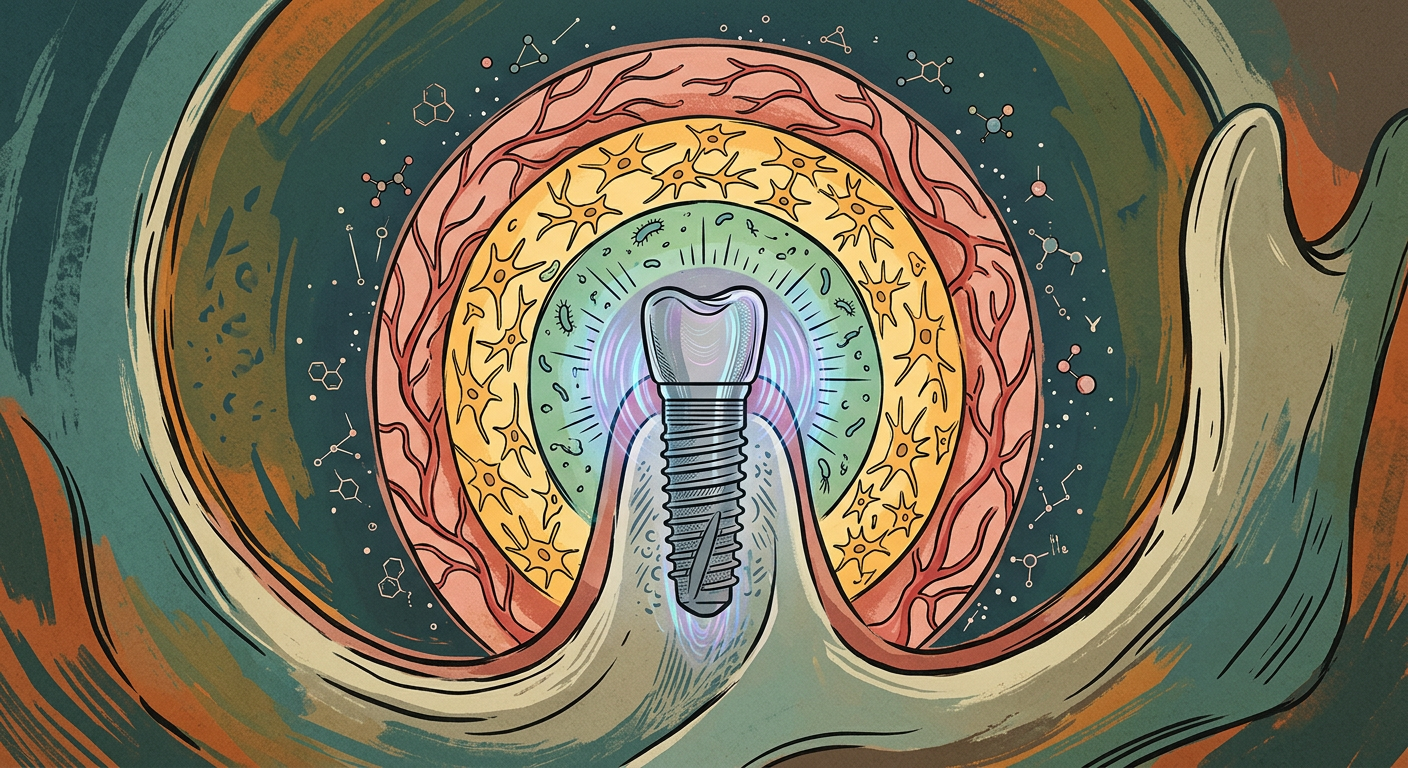
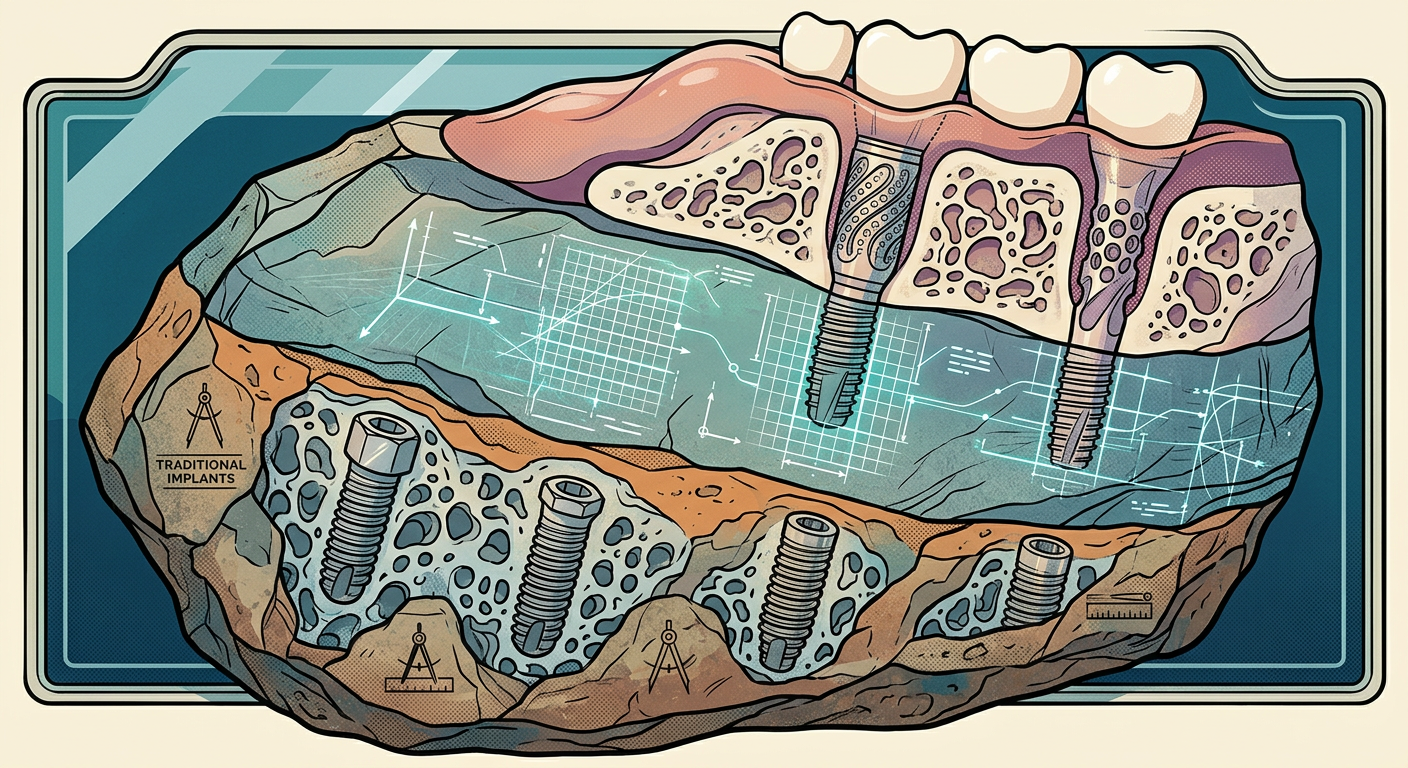
Surface modification technology has moved far beyond the sandblasted, large-grit, acid-etched (SLA) surfaces that dominated the 2010s. Current titanium alloys now incorporate bioactive coatings that accelerate healing times by 30-40% compared to conventional surfaces, according to multiple longitudinal studies reviewed in the PMC analysis.
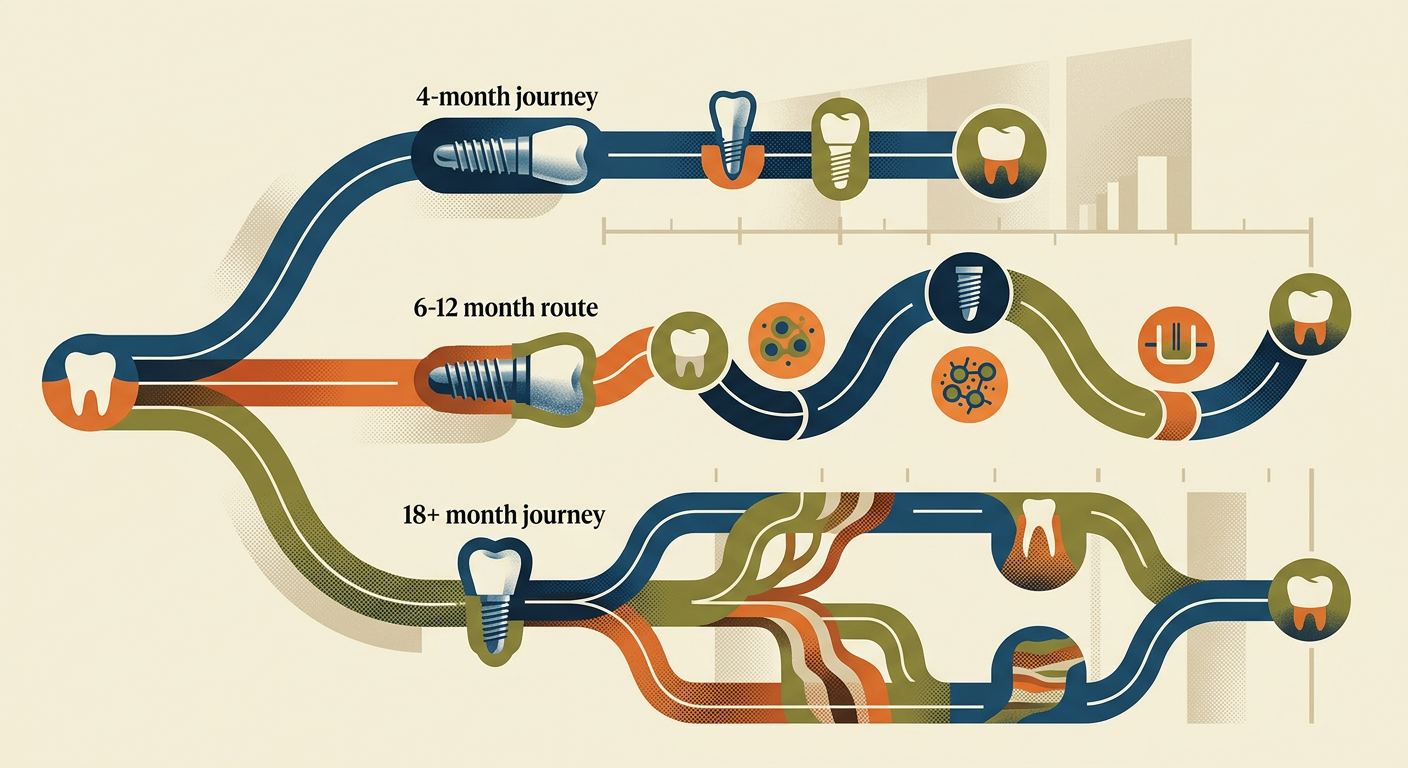
The most significant advancement lies in hybrid surface treatments combining micro-roughness with bioactive molecules. These surfaces don't just promote bone integration — they actively recruit stem cells and growth factors to the implant site. Early clinical data suggests healing periods can be reduced from 12-16 weeks to 8-10 weeks without compromising long-term stability.
Surface modifications with bioactive coatings reduce healing times by 30-40% compared to conventional titanium surfaces, potentially cutting treatment timelines from months to weeks.
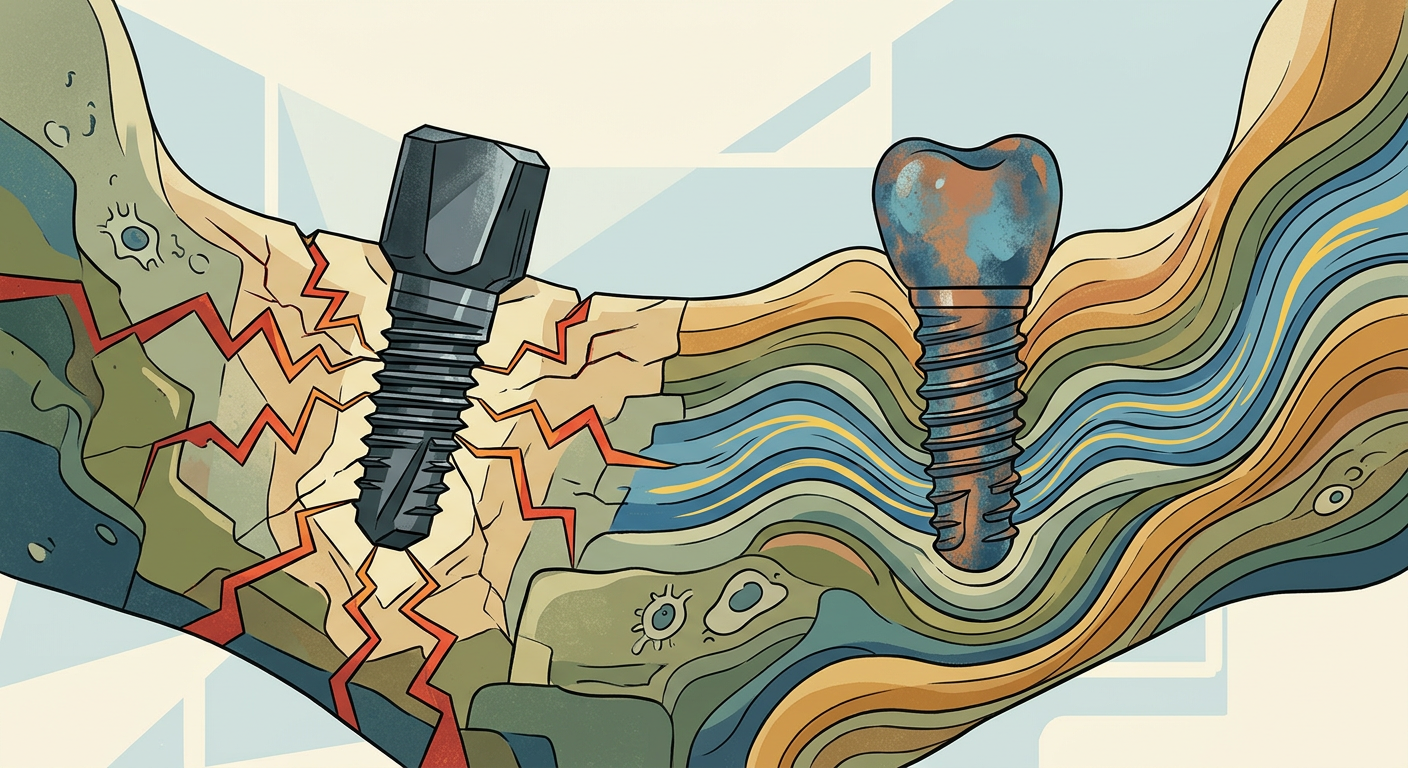
Zirconia implants have gained clinical traction, particularly in the aesthetic zone. Their white colour eliminates show-through concerns that plague titanium in thin biotypes. However, the review notes zirconia's brittleness remains problematic in high-load posterior applications, limiting adoption to specific cases rather than wholesale replacement of titanium.
Digital workflows eliminate guesswork
Computer-guided surgery has evolved from a premium add-on to standard care in many practices. The PMC review found that practices using full digital workflows — from CBCT planning through guided surgery to digital impressions — report 35% fewer complications and 20% shorter appointment times.
The integration is now seamless. Intraoral scanners feed directly into treatment planning software that generates surgical guides printed overnight. Real-time navigation systems provide millimetre-precise placement feedback during surgery. Post-operative healing can be monitored through smartphone apps that track swelling and pain scores.

Artificial intelligence is making inroads in treatment planning. Current AI systems can predict implant success rates with 89% accuracy by analysing bone density patterns, patient health data, and anatomical factors. This moves beyond simple measurements to probabilistic treatment planning that accounts for individual risk factors.
Patient expectations drive treatment evolution
The review identifies a fundamental shift in patient demands. Where previous generations accepted lengthy healing periods and multiple appointments, current patients expect same-day solutions and minimal disruption. This has driven adoption of immediate loading protocols and same-day tooth replacement procedures.
Immediate loading success rates now match delayed protocols when strict criteria are met — primary stability above 35 Ncm, adequate bone density, and appropriate case selection. The key limitation remains patient compliance with soft diet restrictions during the critical first six weeks.
US implant prevalence projections range from 5.7% to 23% by 2026, representing potential growth from current 3-4% baseline rates — a market expansion unprecedented in dentistry.
Telemedicine integration allows remote monitoring of healing through patient-submitted photos and symptom tracking. This reduces unnecessary follow-up visits while maintaining clinical oversight. Early intervention for complications becomes possible through automated alert systems that flag concerning patterns.
Market growth outpaces clinical capacity
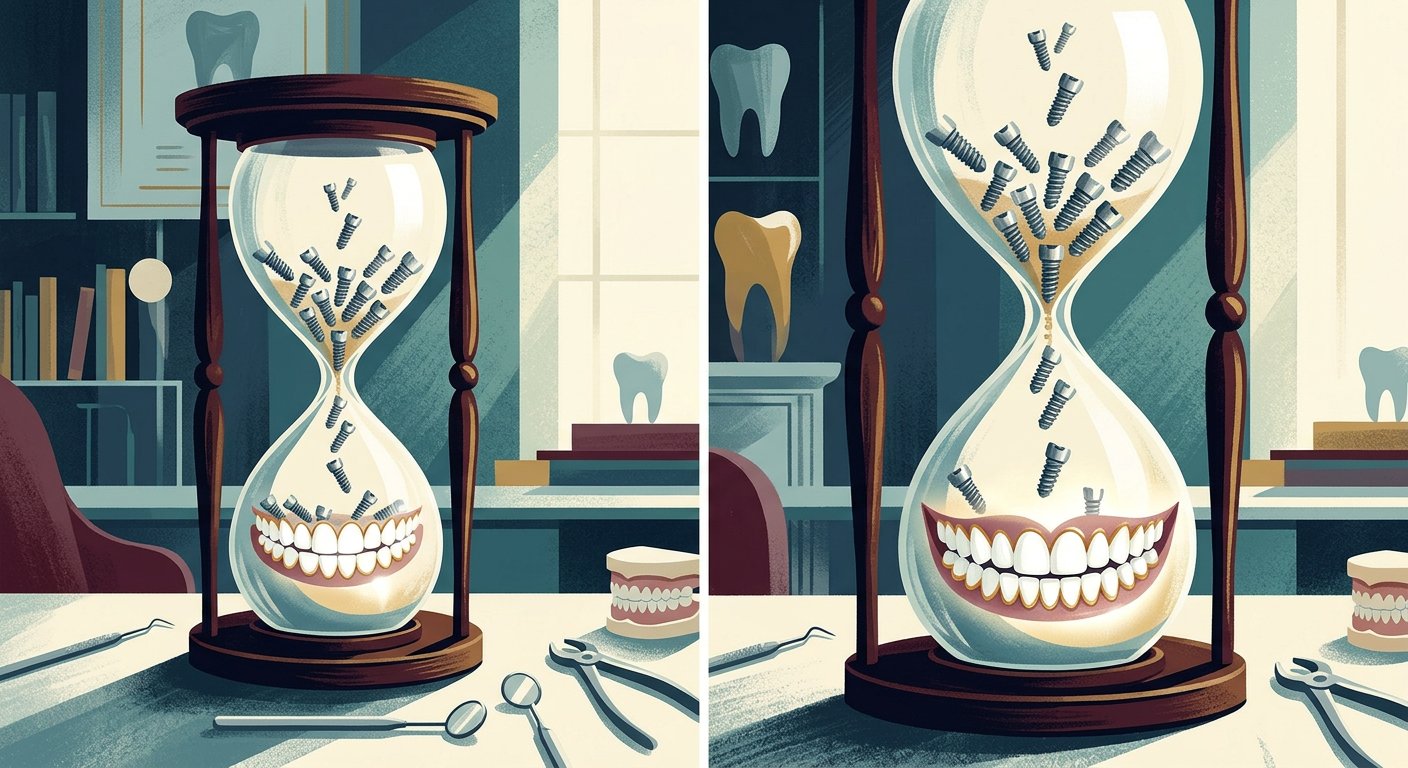
The epidemiological data reveals a stark reality: demand is growing faster than clinical capacity. US projections suggest implant prevalence could reach 23% by 2026 under optimistic scenarios — up from current baseline rates of 3-4%. This represents a potential six-fold increase in case volume within four years.
The constraint isn't technology or materials — it's trained clinicians. The review notes that while implant placement techniques have been democratised through guided surgery, the complexity of treatment planning and complication management requires extensive training. This bottleneck may limit real-world growth to more conservative 5-7% prevalence rates unless training capacity expands dramatically.
The implications for practice economics are profound. Practices that invest in digital workflows and staff training now position themselves for sustained growth as the market expands. Those that delay risk being overwhelmed by demand they cannot efficiently meet.
The next five years will determine whether implant dentistry can scale to meet demographic demand while maintaining clinical standards. The technology exists — the question is whether the profession can adapt quickly enough.
The convergence of digital planning, bioactive materials, and patient-centric protocols has created the conditions for implant dentistry's mainstream adoption.