


Get The Friday
Drill

The weekly brief on
implant dentistry and more.
Personalised to your interests
Get The Friday
Drill
?Already in our Surgeon Directory? Get a personalised drill >>
The weekly brief on
implant dentistry and more.
Personalised to your interests
Issue #1
This week's edition
Friday, 13 March 2026
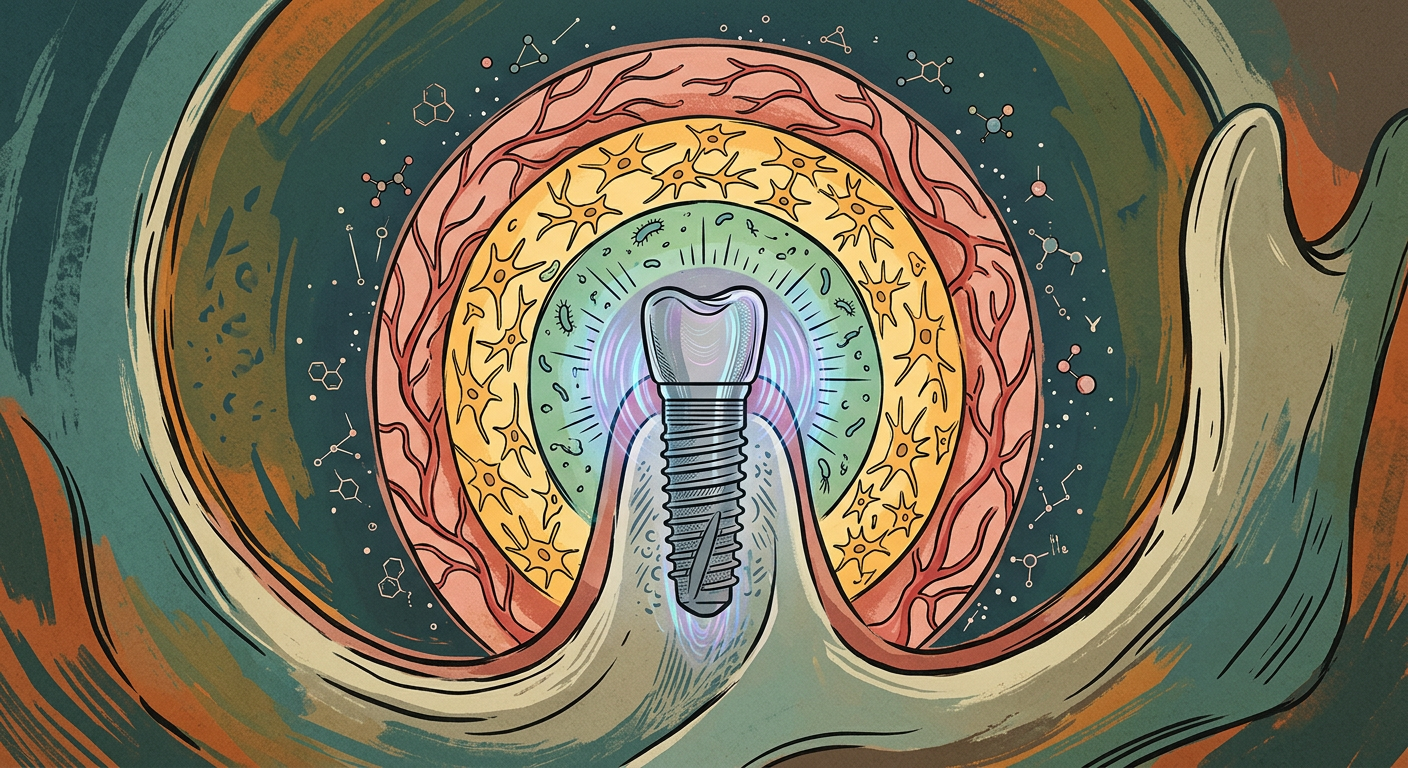
Bioactive implant surfaces cut infection rates by 89%
Smart implant coatings are rewriting the rules of osseointegration. New pH-responsive surfaces reduce bacterial adhesion by 89% while boosting cell growth by 44%, according to 2024 research. These aren't experimental treatments—they're proven technology moving into mainstream practice. Collagen-based coatings provide familiar matrices that osteoblasts recognise and migrate towards. BMP-2 combinations show consistent osseointegration benefits across patient populations. The breakthrough lies in dual-action surfaces that fight infection while promoting bone formation—responding to acidic bacterial environments by releasing antimicrobials whilst encouraging osteoblast activity. Growth factors have evolved from experimental curiosity to clinical reality. PRP and concentrated growth factors, whether used for site preparation or as direct surface coatings, deliver predictable concentrations at the implant-bone interface. Even graphene oxide shows promise for both bone formation and blood vessel development. The clinical message is clear: conventional machined or sandblasted surfaces are becoming outdated treatment. Bioactive surfaces particularly benefit high-risk patients—diabetics, smokers, those with compromised immunity. While upfront costs are higher, reduced complications and improved success rates may offset the premium. The 89% reduction in bacterial adhesion alone could dramatically cut peri-implantitis risk.
Read article
Implant dentistry hits tipping point as demand outpaces capacity
Implant dentistry is experiencing unprecedented growth, with US prevalence potentially jumping from 3-4% today to 23% by 2026 — a six-fold increase that could overwhelm clinical capacity. The surge is driven by three converging factors: bioactive surface coatings that cut healing times by 30-40%, digital workflows reducing complications by 35%, and patients demanding same-day solutions. AI systems now predict implant success with 89% accuracy, whilst guided surgery has become standard care in many practices. However, the bottleneck isn't technology — it's trained clinicians. Whilst placement techniques have been democratised through digital guides, treatment planning complexity still requires extensive training. This skills shortage may limit real-world growth to 5-7% unless training capacity expands dramatically. The implications are stark: practices investing in digital workflows now position themselves for sustained growth, whilst those delaying risk being overwhelmed by unmanageable demand.
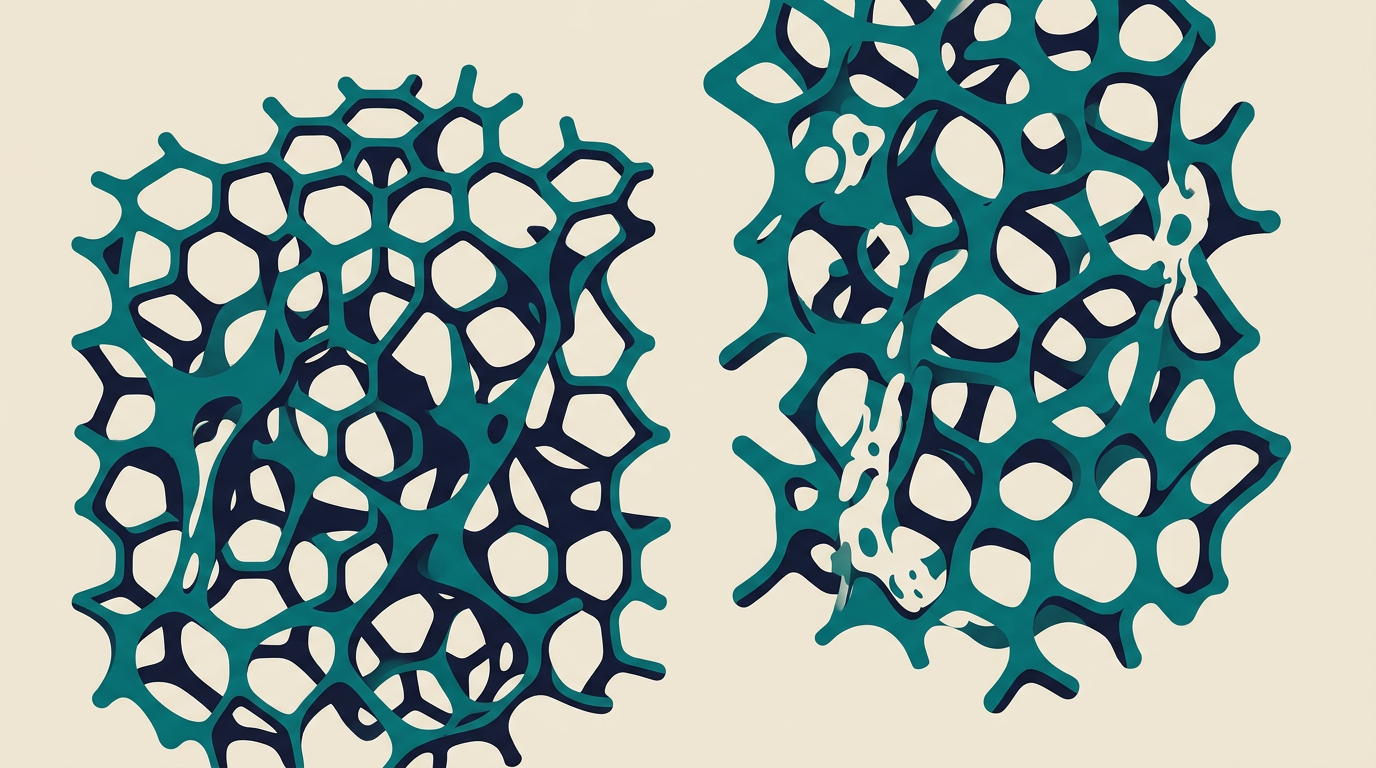
Porous titanium surfaces show superior bone integration in new studies
New research confirms that porous titanium implant surfaces achieve significantly better osseointegration than conventional solid designs. Studies comparing different pore architectures found that 632μm pore sizes delivered stronger bone integration than either 309μm or 956μm alternatives in rabbit tibial implants. The latest triply periodic minimal surface (TPMS) structures outperformed traditional lattice designs, showing enhanced bone formation and improved blood vessel development. These mathematically designed surfaces mimic natural bone porosity through sophisticated laser powder bed fusion manufacturing. Parallel research has identified genetic markers that predict implant success, with successful cases showing upregulation of osteogenic genes like RUNX2 while failures exhibit elevated inflammatory cytokines. The combination of precision-engineered porous surfaces and biomarker-guided patient selection could fundamentally change success rates. For practitioners, this means considering porous alternatives particularly for high-risk patients with compromised bone quality or immediate loading requirements. However, the complex manufacturing requirements and premium pricing mean widespread adoption will likely take several more years as production capabilities mature.
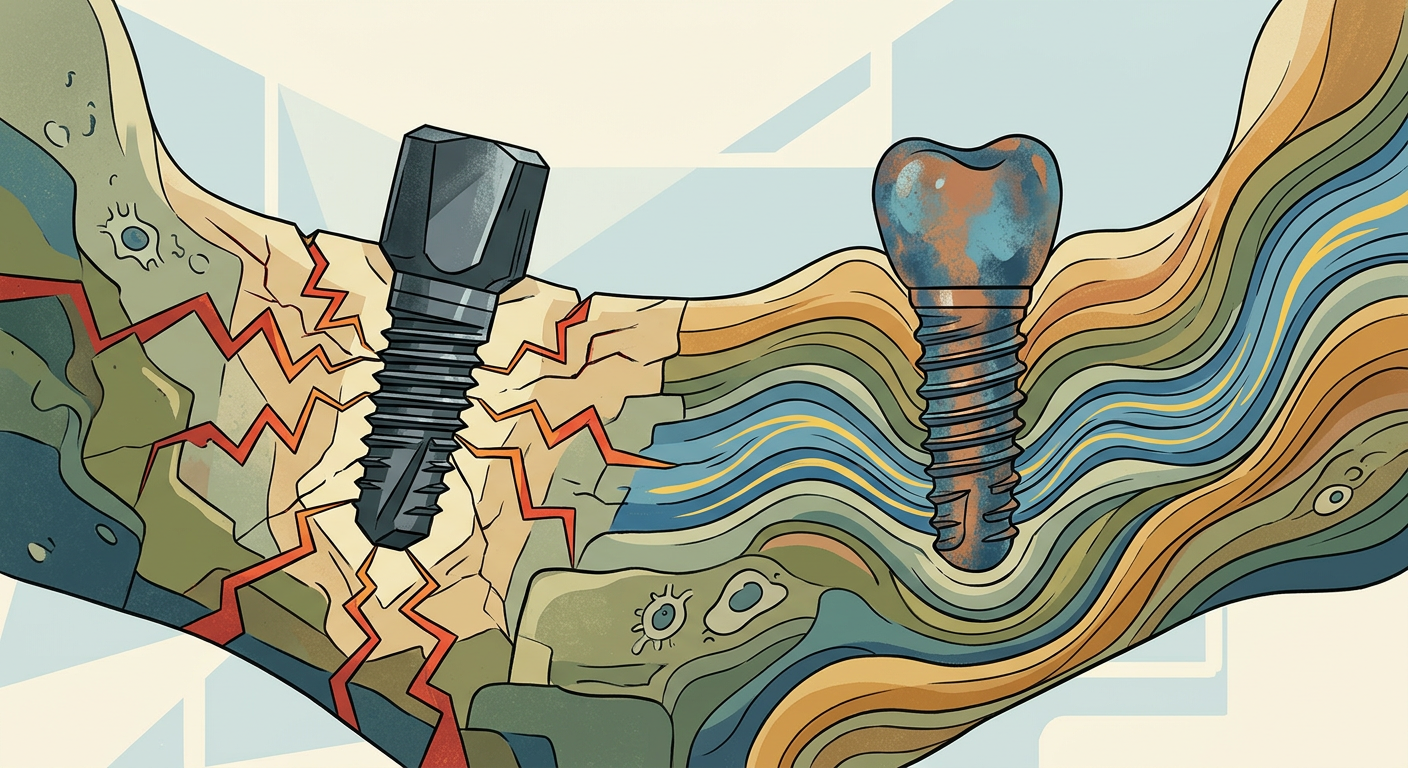
New titanium alloys could slash peri-implantitis rates
Five experimental titanium alloy compositions are showing superior biocompatibility and corrosion resistance compared to the industry standard Ti-6Al-4V in laboratory testing. Published in the Journal of Dentistry in December 2025, the research addresses the elastic modulus mismatch that has plagued implant dentistry - traditional titanium's 110 GPa modulus versus bone's 15-30 GPa creates stress shielding that affects up to 15% of implants in posterior sites. The new beta-phase alloys achieve modulus values as low as 55 GPa whilst maintaining adequate strength. Corrosion resistance improvements are particularly significant, given that titanium particles appear in 73% of peri-implantitis tissue samples compared to 12% in healthy tissue. However, regulatory hurdles remain substantial. Beta-titanium raw materials cost 40% more than Ti-6Al-4V, with manufacturing adding another 15-20% to production costs. The FDA's approval pathway suggests commercially available beta-titanium implants remain 2-3 years away, though European markets may see earlier adoption. For high-volume practices, these developments could meaningfully reduce revision rates and improve long-term success in challenging cases like immediate loading and zygomatic implants.
Implant dentistry shifts from aesthetics to lifetime oral health
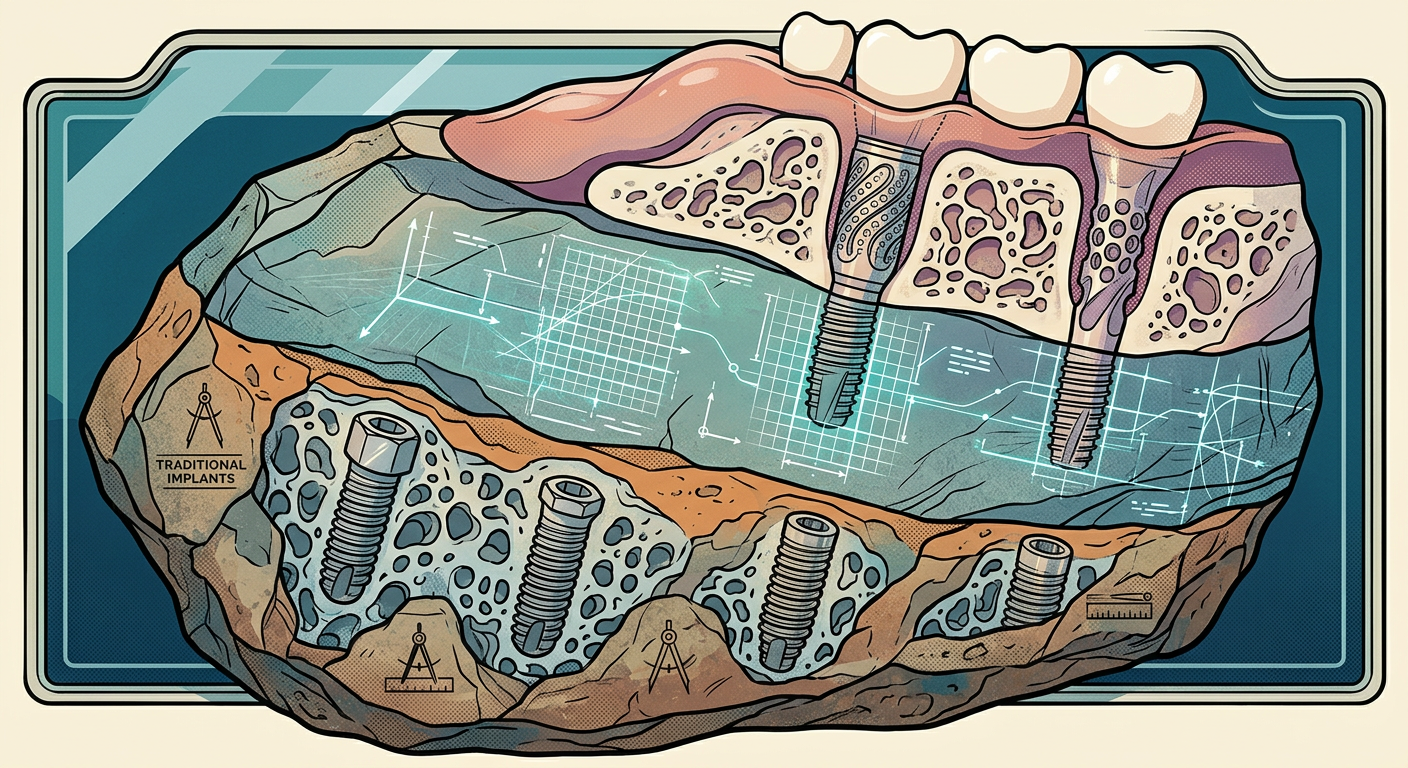
The conversation around dental implants has fundamentally changed. While the field once obsessed over making implants look natural, 2026 finds practitioners focused on longevity, function, and systemic health integration. Three technological streams merged in 2025 to create what researchers call the "digital implant ecosystem" - planning software, 3D printing, and real-time surgical guidance working together. The precision gains are substantial: placement accuracy jumped from 85% within 2mm tolerance to 96% within 1mm tolerance. Patient selection has expanded dramatically too. The "not a candidate" conversation has become obsolete as mini implants and advanced grafting open therapy to previously unsuitable populations. Diabetic patients with controlled HbA1c now show success rates matching healthy controls. Ten-year survival rates have plateaued at 95-97%, but peri-implantitis still affects 12-43% of implants. The economics are shifting toward value-based care, with practices accepting outcome-linked reimbursement. Patients increasingly understand the lifetime value proposition despite higher upfront costs. For practices, this creates opportunities through expanded patient populations, but demands investment in digital infrastructure and 6-12 months training for competency in digital workflows.

Titanium implants still reign supreme despite zirconia challenge
Titanium's stranglehold on implant dentistry isn't going anywhere soon. Recent MDPI research confirms what clinicians already know: pure titanium and Ti-6Al-4V alloy implants deliver success rates up to 99% at 10 years. The material's unique oxide layer creates an interface that bone cells actually recognise as compatible rather than foreign — explaining those consistently stellar outcomes across diverse patient populations. Meanwhile, the real innovation happens at the nanoscale. Modern surface treatments from sandblasting to hydroxyapatite coating are accelerating osseointegration and slashing healing times. Silver nanoparticle coatings show particular promise for infection prevention without compromising biocompatibility. Zirconia presents titanium's most credible challenge, particularly in aesthetic zones where its superior appearance eliminates grey shadowing through thin gingiva. But brittleness remains a concern, especially for narrow-diameter applications. For most practices, titanium's predictability and extensive research base justify its continued dominance. Cost-effectiveness seals the deal — zirconia alternatives command 20-30% premium pricing whilst lacking titanium's decades of clinical validation.
Why implant timelines vary from 4 months to 18 months
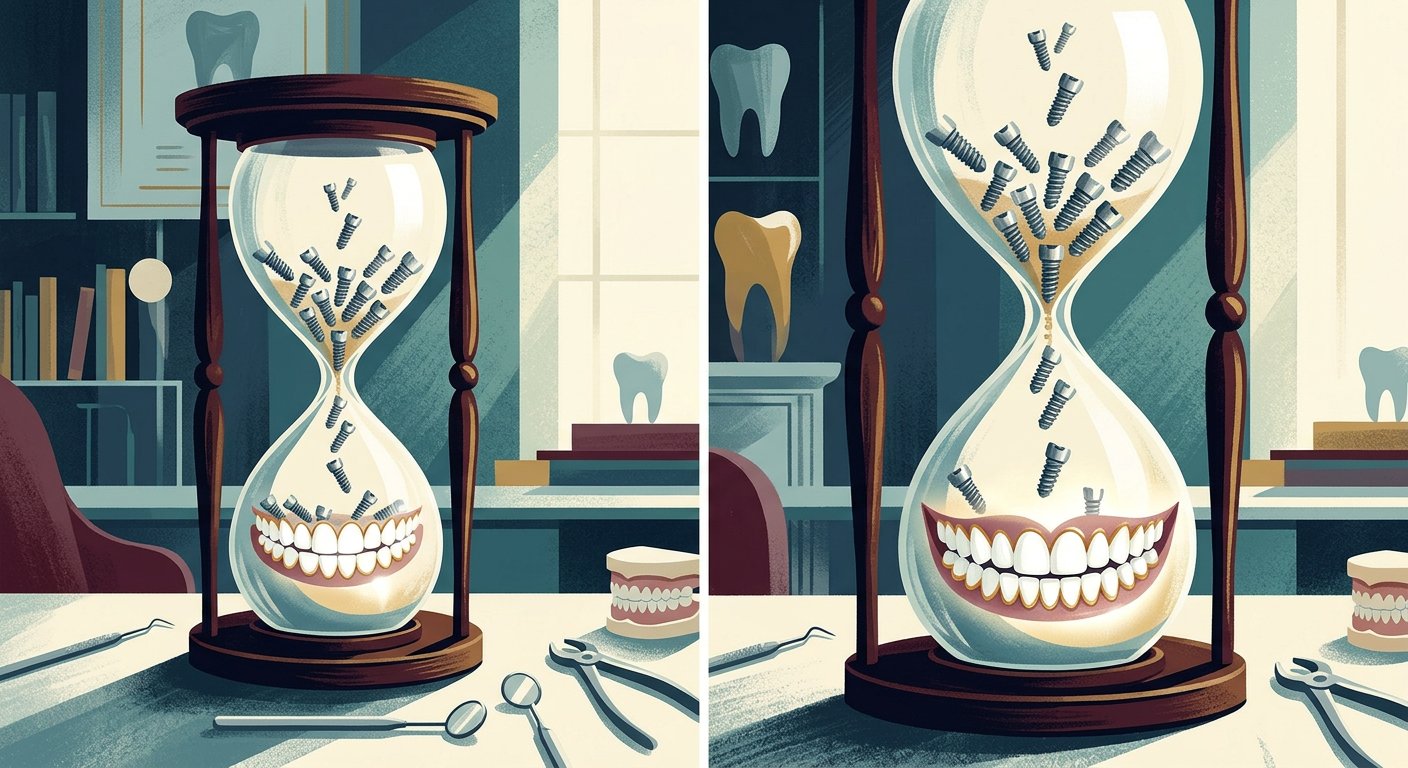
Standard patient education materials promise six to twelve months for implant treatment. The reality is messier. New clinical data shows timelines ranging from four months for immediate placements to eighteen months for complex reconstructions. The gap between textbook estimates and practice reality creates a communication crisis. Immediate placement with adequate bone density can deliver final crowns in three to five months. But only 30-40% of cases qualify for these accelerated protocols. Bone grafting extends timelines to six months minimum, with major augmentation procedures pushing beyond twelve months. Sinus lifts and ridge splits alone require three to six months healing before implant placement begins. Most practices present average timelines during consultations, failing when complexity varies dramatically. The solution lies in honest categorisation: simple replacements get four to six month projections, complex cases receive twelve to eighteen month estimates. CBAR assessment provides structure for realistic timeline prediction based on clinical factors, bone quality, aesthetic demands and risk profiles.
Your edition, built around you
Every implant surgeon gets a different edition. Pick the topics that matter to you and we'll build a personalised briefing — from clinical research to lifestyle picks.
Clinical & Education
Implant Clinical
Always onCourses & CPD
Technology
Equipment
Business & Practice
Practice Growth
Financial & Tax
Team & Recruitment
Regulatory
Practice Ops
Buying & Selling
Career
Lifestyle & Leisure
Health & Wellbeing
Lifestyle
Motoring
Food & Drink
Sports
Your preferences
SURGEON PROFILEExclusive offers
As part of our network of 90,000+ implant professionals, you'll receive exclusive offers and discounts on equipment, courses, and services — negotiated collectively on your behalf.
Claim your surgeon profileYour Friday in 5 minutes
AI-curated
We scan 90+ trusted sources and research databases every day to find what matters to implant professionals.
5-minute read
Each edition is a concise briefing — clinical headlines, your chosen topics, and lifestyle picks. No fluff.
Listen on the go
Every edition comes with an audio version. Listen during your commute or between patients.
Built for implant professionals
90+
Trusted sources scanned daily
16
Topic categories to choose from
5 min
Average read time
Start your Fridays sharper
Join implant professionals who get their weekly briefing delivered every Friday morning. Free forever.